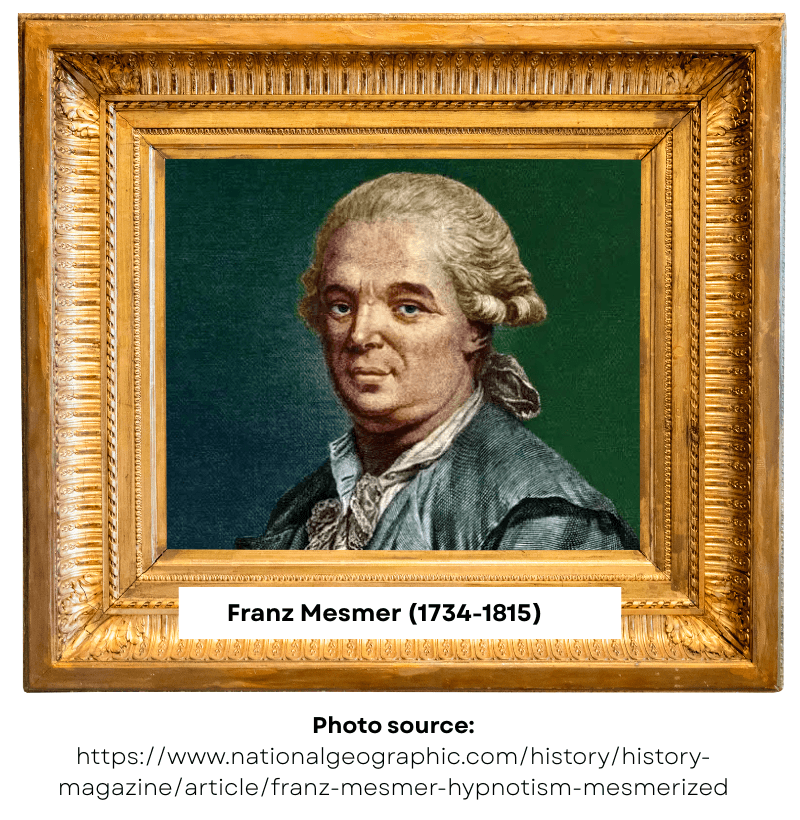
Franz Anton Mesmer was an Austrian physician who introduced the theory of “animal magnetism.” He believed an invisible force flowed through the body and that he could control it to heal people. At the time, many people found his ideas fascinating. However, scientists later rejected his theory because they could not prove it.
Even so, Mesmer played an important role in the history of hypnotherapy. He used dramatic rituals and strong suggestion to influence his patients. As a result, people often entered trance-like states during his treatments. Although he misunderstood the mechanism, his work highlighted the power of the mind. Therefore, he laid the foundation for modern hypnotism and future research into suggestion.
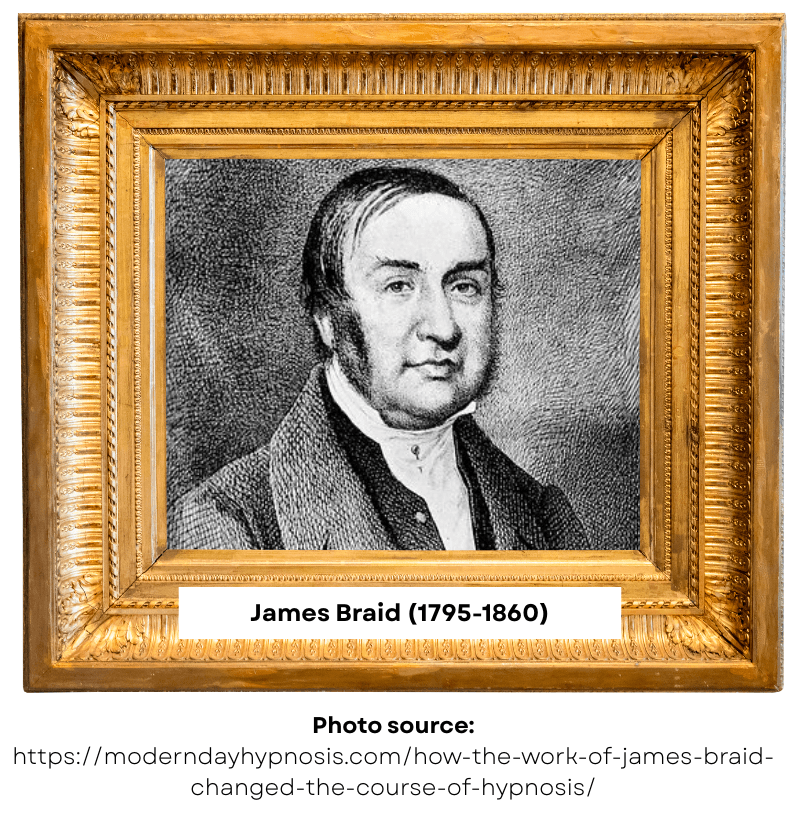
James Braid
James Braid, a Scottish surgeon, is widely known as the “Father of Modern Hypnotism.” Unlike Mesmer, he rejected the idea of magnetic fluids. Instead, he focused on how the mind works. He discovered that intense focus on an object could create a trance state.
Because of this, Braid introduced a more scientific approach to hypnosis. He also coined the term “hypnotism,” which remains in use today. In addition, he showed that hypnosis could support medical procedures, including surgery. As a result, his work helped move hypnosis away from mystery and toward science. His research continues to influence modern hypnotherapy practices.
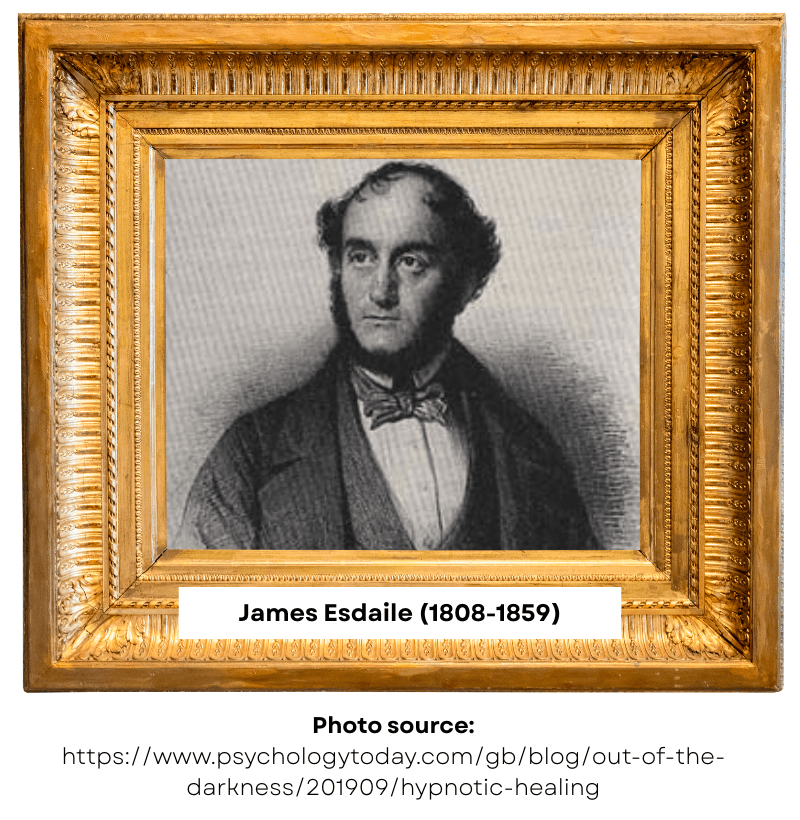
James Esdaile (1808-1859)
James Esdaile was a Scottish surgeon who worked in British India. He used mesmerism to perform surgery without chemical anaesthesia. At the time, this approach was highly unusual. However, he achieved remarkable success.
He developed a very deep trance state, now called the “Esdaile state.” Because of this, many patients experienced little or no pain during operations. In addition, he reported faster recovery times. His work demonstrated that hypnosis could produce real physical effects. Therefore, he helped prove that the mind can strongly influence the body.
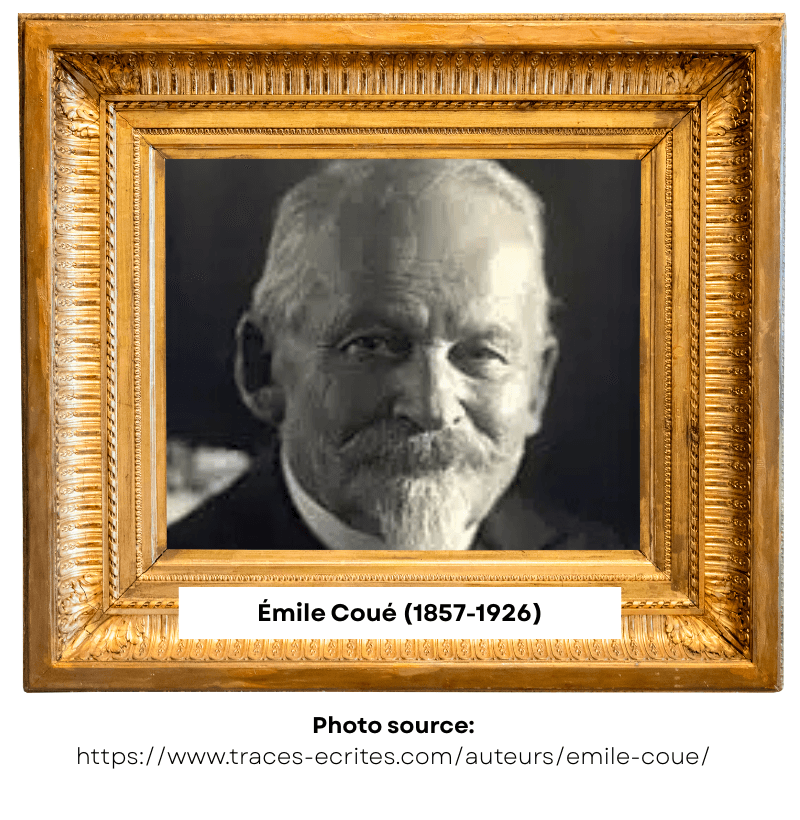
Émile Coué (1857-1926)
Émile Coué was a French pharmacist and psychologist who focused on autosuggestion. Rather than relying on external control, he believed people could influence their own minds. For this reason, he encouraged simple, positive repetition.
His famous phrase, “Every day, in every way, I am getting better and better,” became widely known. Through this method, people could build confidence and improve wellbeing. As a result, Coué showed that belief and expectation shape outcomes. His ideas continue to influence modern self-help and mindset practices.
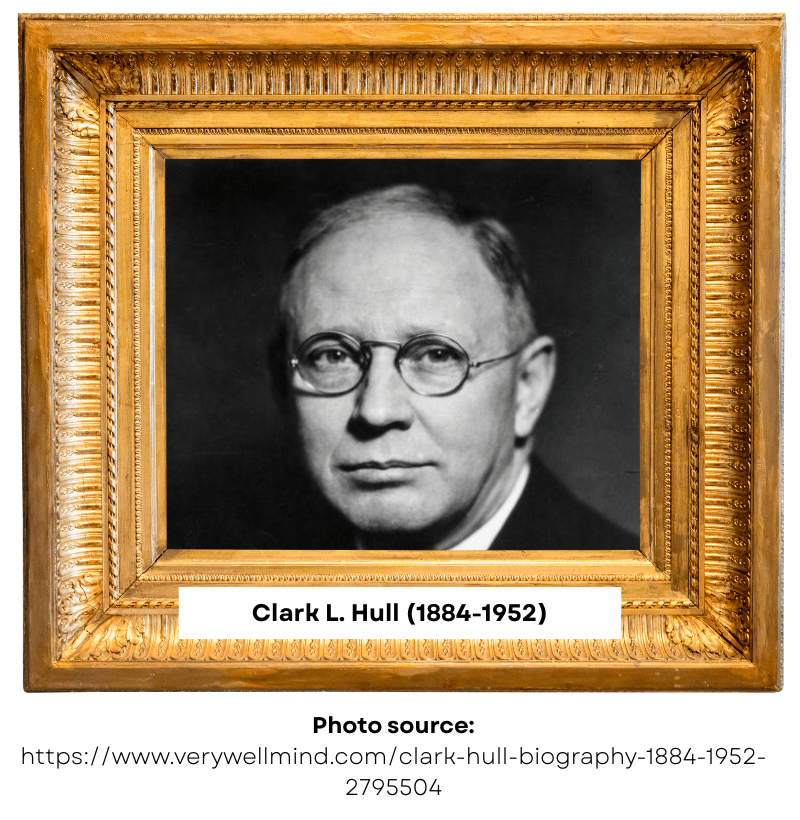
Clark L. Hull (1884-1952)
Clark L. Hull was an American psychologist who studied hypnosis through scientific experiments. Instead of relying on theory alone, he tested ideas carefully. As a result, he brought structure and measurement into the field.
He argued that hypnotic suggestibility develops as a learned behaviour. In other words, people respond based on conditioning rather than mystery. In addition, he created ways to measure how responsive individuals are to suggestion. Therefore, his work helped make hypnosis more credible within psychology.
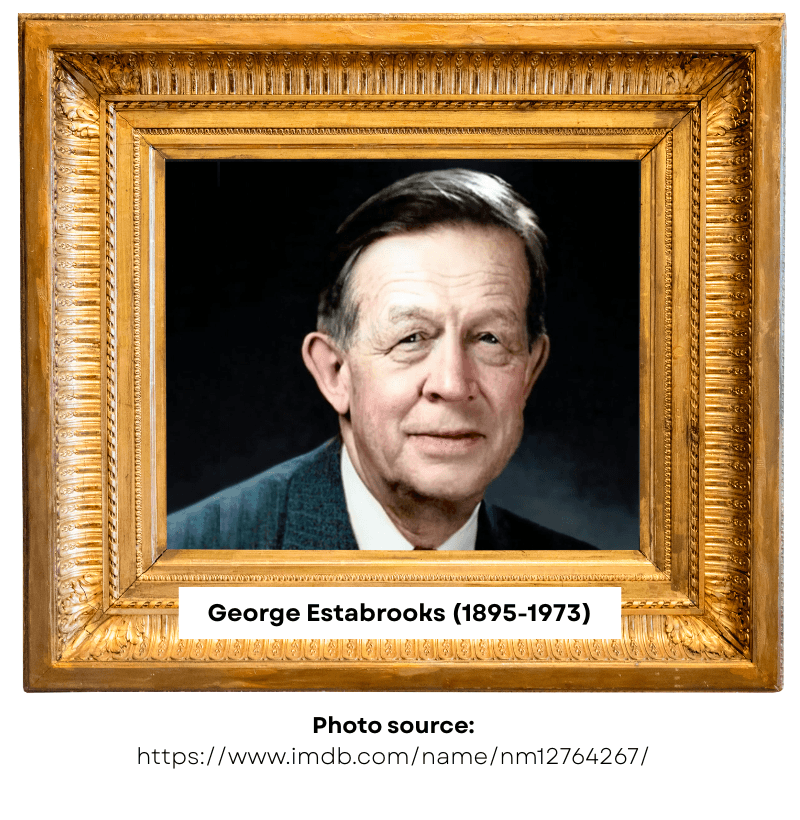
George Estabrooks (1895-1973)
George Estabrooks was a Canadian-American psychologist known for his controversial ideas. He explored how hypnosis could influence behaviour at a deep level. In particular, he claimed it could create multiple personalities without awareness.
Because of these claims, his work raised serious ethical concerns. Many people questioned how such techniques could be used. Although his ideas remain debated, he sparked important discussions about control, influence, and responsibility. As a result, his work still shapes ethical boundaries in hypnotherapy today.
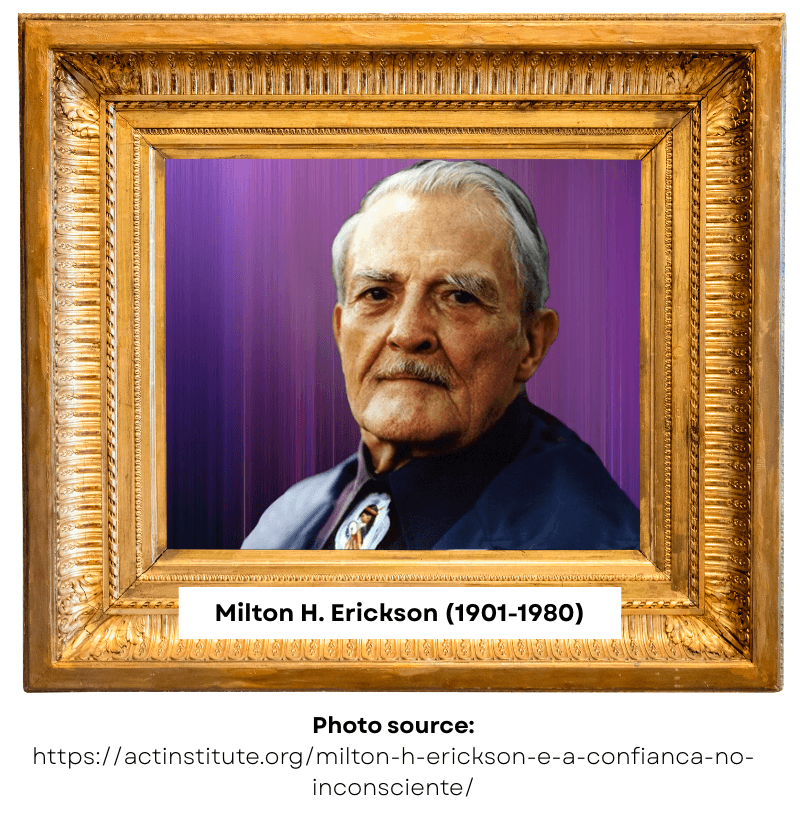
Milton H. Erickson (1901-1980)
Milton H. Erickson was an American psychiatrist who transformed hypnotherapy. Unlike earlier practitioners, he used a gentle and indirect approach. Instead of giving commands, he told stories and used metaphors.
Because of this, clients felt more relaxed and open to change. Erickson believed the unconscious mind already holds the resources needed for healing. Therefore, he focused on guiding rather than directing. His methods strongly influenced modern therapy and Neuro-Linguistic Programming.
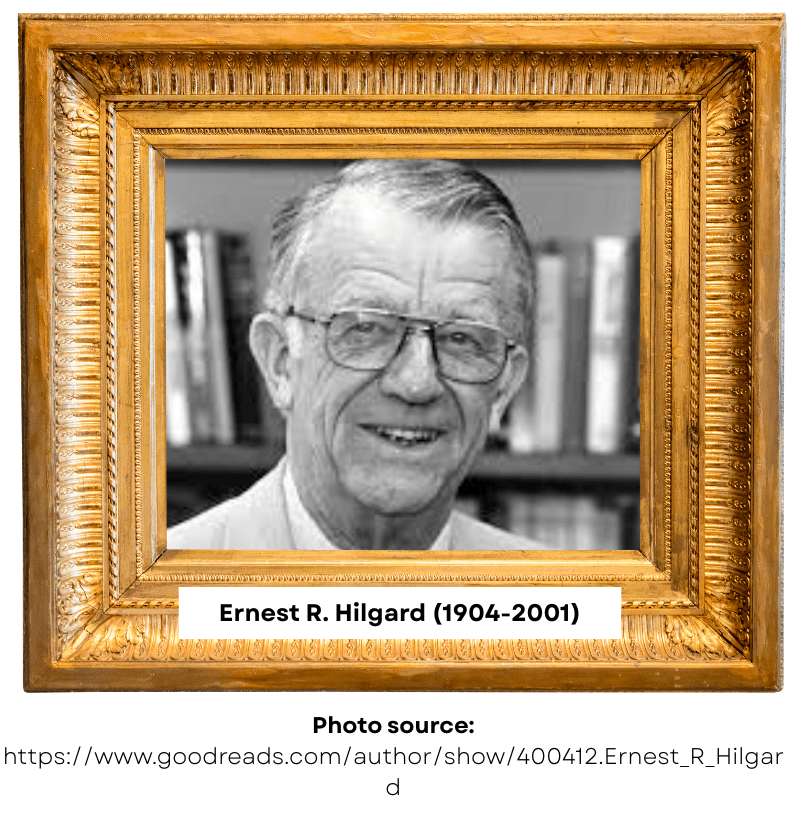
Ernest R. Hilgard (1904-2001)
Ernest Hilgard was a psychologist at Stanford University who developed the “neodissociation” theory. He believed the mind can split into different parts during hypnosis. As a result, one part may feel no pain while another remains aware.
He introduced the idea of a “hidden observer,” which monitors experiences in the background. Because of this, his work showed that hypnosis can change conscious awareness. His research helped deepen understanding of how the mind processes experience.
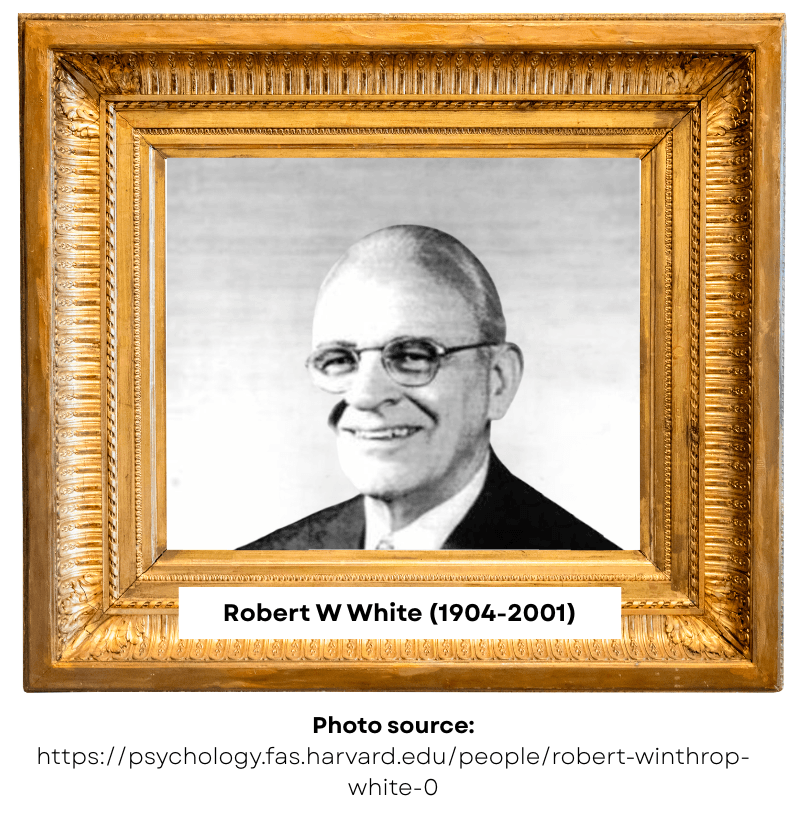
Robert W. White (1904-2001)
Robert White, an American psychologist, challenged traditional ideas about hypnosis. Instead of viewing it as a special trance, he saw it as goal-directed behaviour. In other words, people actively take part in the experience.
He believed individuals respond based on motivation and expectation. Therefore, they are not controlled but involved. His perspective shifted focus toward personal agency. As a result, he helped reshape how psychologists understand hypnotic behaviour.
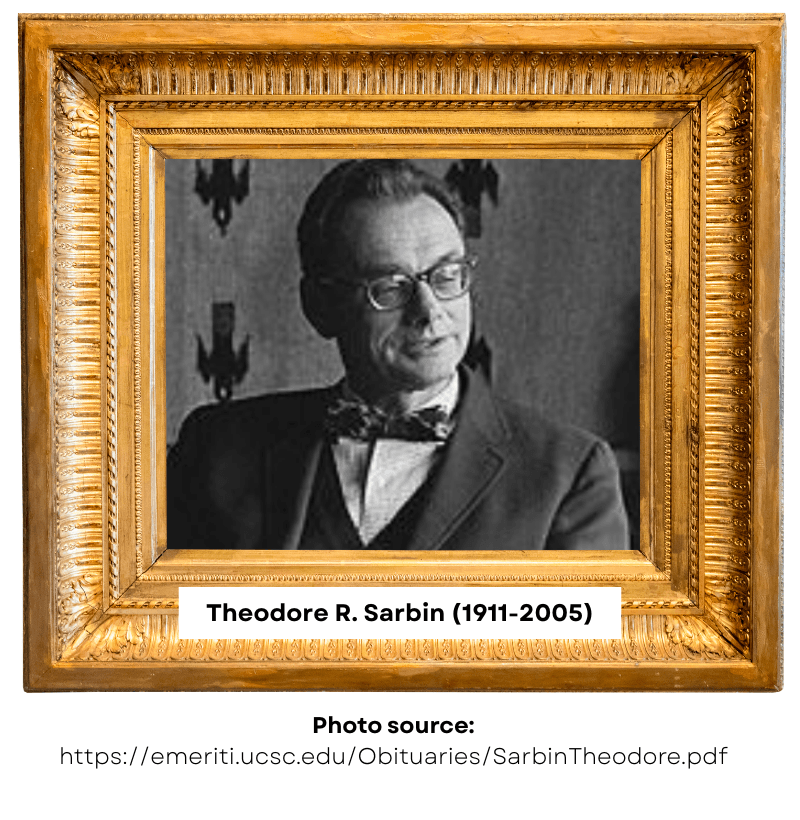
Theodore R. Sarbin (1911-2005)
Theodore Sarbin introduced the “role theory” of hypnosis. He argued that people act according to social expectations when hypnotised. In other words, they play a role rather than enter a unique state.
Because of this, he focused on social context and behaviour. His work challenged the idea of hypnosis as an altered state. Instead, he highlighted the importance of belief and interaction. Therefore, his research added a new dimension to hypnosis theory.
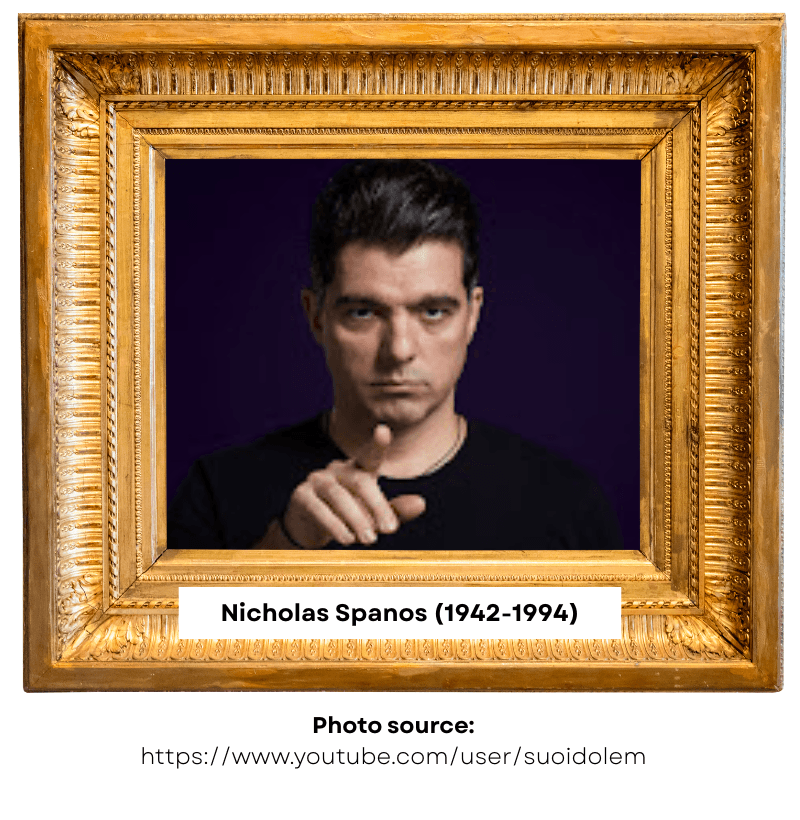
Nicholas Spanos (1942-1994)
Nicholas Spanos developed the sociocognitive model of hypnosis. He believed social and mental factors shape hypnotic responses. For example, expectations and environment influence behaviour.
As a result, he rejected the idea of a special trance state. Instead, he showed that normal psychological processes explain hypnosis. His work strengthened the scientific understanding of how suggestion works in everyday contexts.
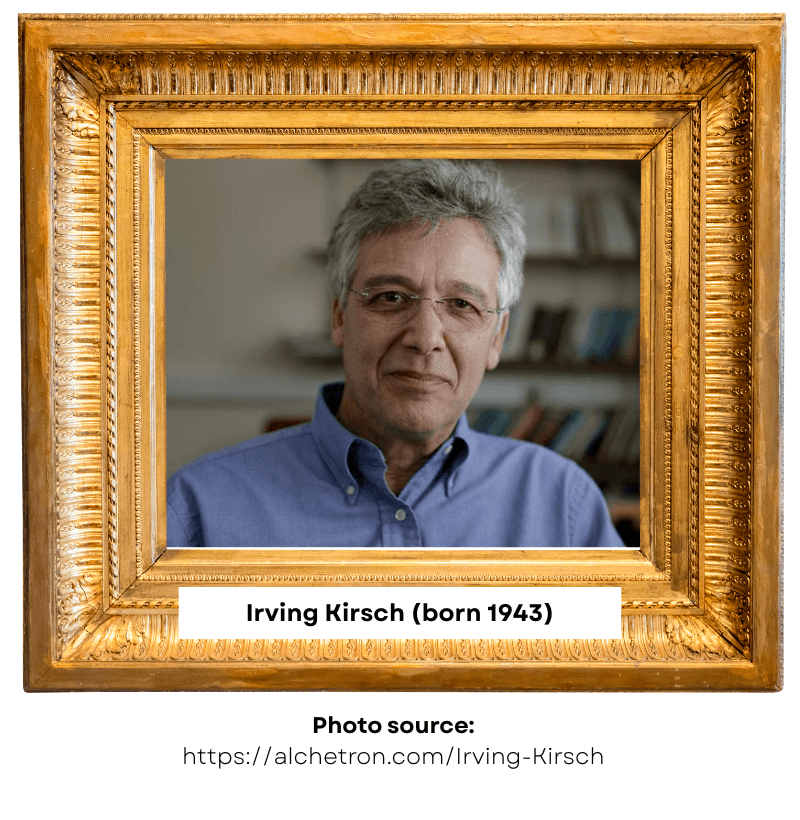
Irving Kirsch (born 1943)
Irving Kirsch is a psychologist known for the “response expectancy” theory. He argued that expectation drives both hypnosis and placebo effects. In other words, what people believe strongly influences outcomes.
Because of this, he suggested hypnosis works similarly to a non-deceptive placebo. His research challenged traditional explanations. As a result, he changed how many experts view the power of suggestion.
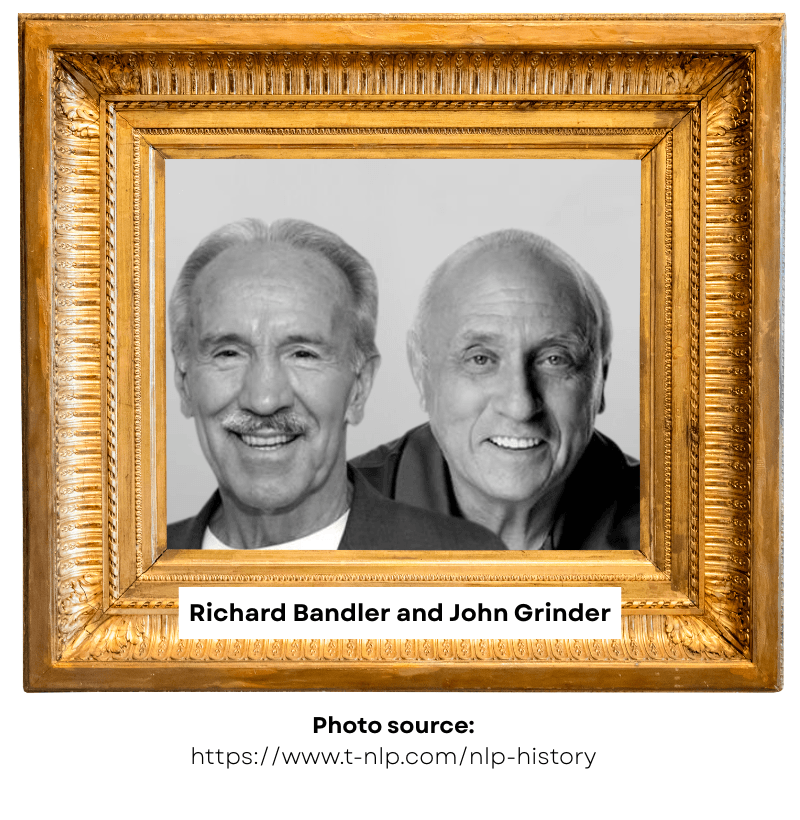
Richard Bandler and John Grinder
Richard Bandler and John Grinder co-founded Neuro-Linguistic Programming. They studied the work of Milton Erickson closely. Then, they identified patterns in his language and behaviour.
As a result, they created practical tools for communication and change. Their work focused on how language shapes thought and behaviour. Therefore, they helped make hypnotic techniques more accessible and structured.
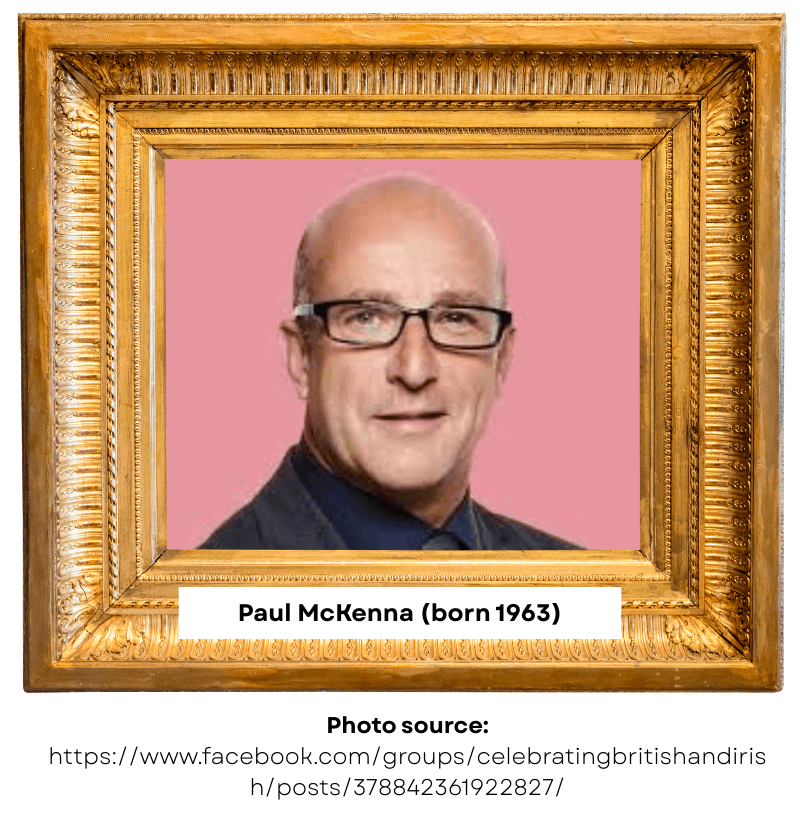
Paul McKenna (born 1963)
Paul McKenna is a British hypnotist and self-help expert. He became widely known through television and live events. Through his work, he introduced hypnosis to a wider audience.
He focuses on practical techniques for weight loss, confidence, and behaviour change. As a result, many people use his methods for quick transformation. His work blends hypnosis with modern psychological strategies.
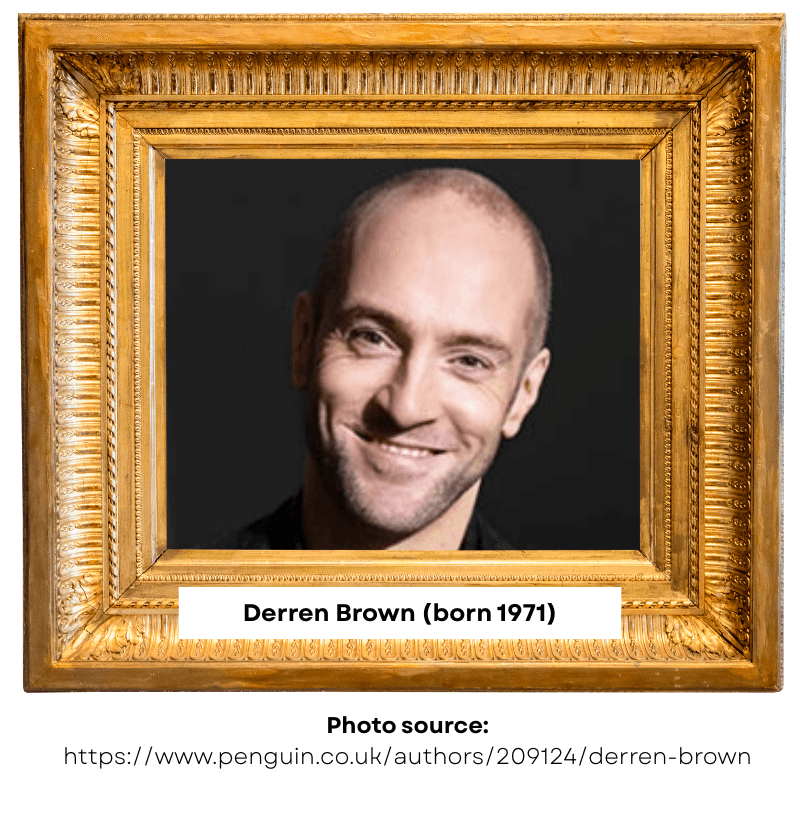
Derren Brown (born 1971)
Derren Brown is a British psychological illusionist. He combines suggestion, hypnosis, and behavioural psychology in his performances. As a result, he creates the appearance of mind reading and control.
However, he openly explains that these effects rely on psychology, not the supernatural. Through his shows, he challenges beliefs and highlights how easily the mind can be influenced. Therefore, he has helped educate the public about suggestion and perception.
If you would like any information please visit our contact page or if you have any issues with the website please contact our website team.