
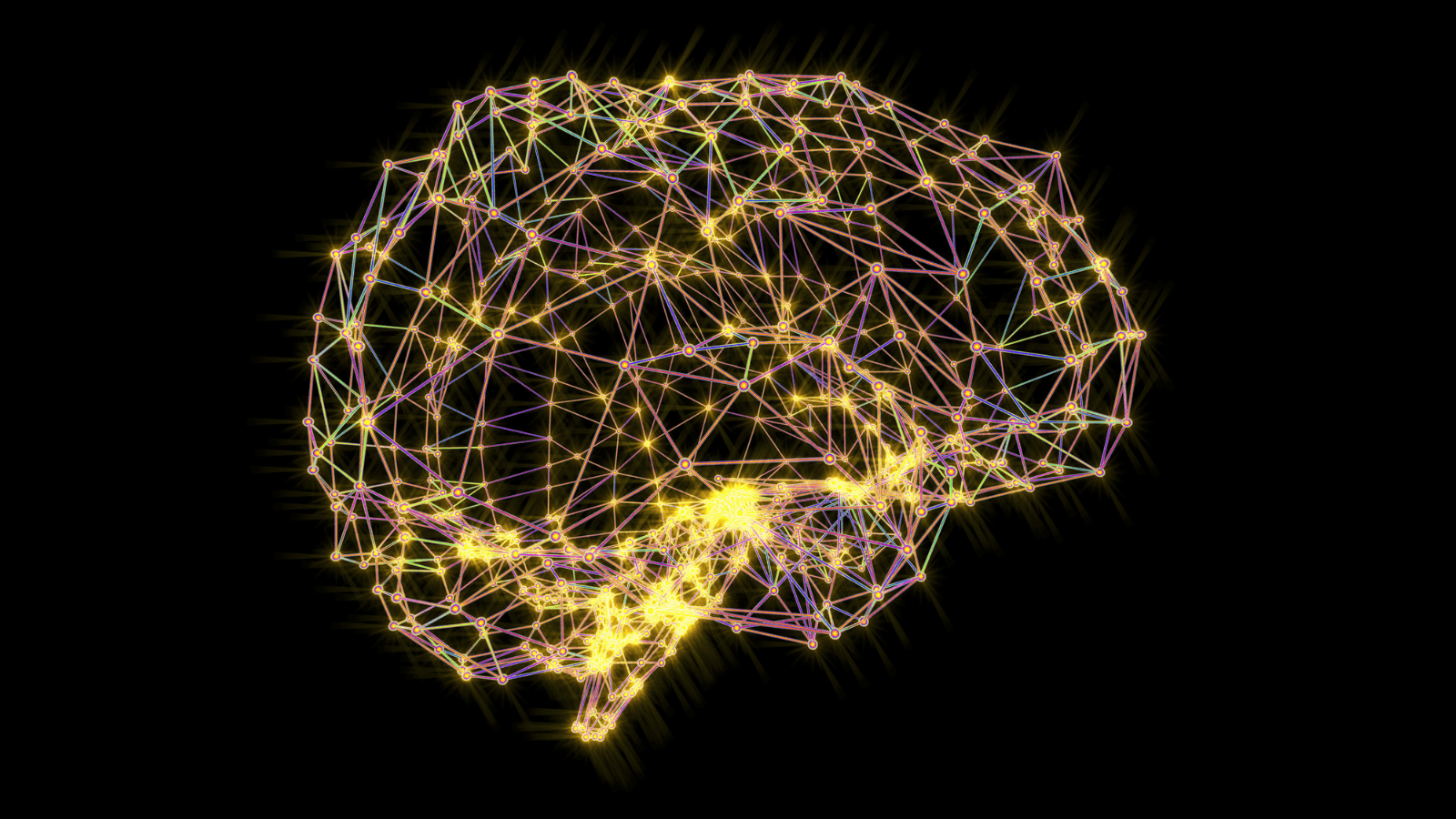
Neuroplasticity or brain plasticity is defined as the ability of the nervous system to change its activity in response to intrinsic or extrinsic stimuli by reorganising its structure, functions, or connections. A fundamental property of neurons is their ability to modify the strength and efficacy of synaptic transmission through a diverse number of activity-dependent mechanisms, typically referred to as synaptic plasticity[2]. The brief video below outlines the principles of Neuroplasticity.
Source: Physiopedia: https://www.physio-pedia.com/Neuroplasticity
The process happens through networks of neurons, which communicate with each other to build pathways. The more you repeat an activity, the stronger and more efficient these pathways become. That is why practice is so powerful. Whether you are learning a language, improving your memory, or developing a new habit, you are physically reshaping your brain.
Neuroplasticity also plays a vital role in recovery. After injury or illness, the brain can reorganise itself, allowing other areas to take over lost functions. This ability gives hope and opportunity for rehabilitation and personal growth, even in difficult circumstances.
Importantly, neuroplasticity is influenced by your daily choices. Positive habits such as exercise, good sleep, and focused learning can strengthen beneficial pathways. At the same time, negative patterns can also become wired into the brain if repeated often. This means you have more control than you might think over how your brain develops.
The most exciting part is that neuroplasticity never stops. No matter your age or background, your brain remains capable of change. By staying curious, challenging yourself, and embracing new experiences, you can continue to build a stronger, more adaptable mind. Neuroplasticity shows that improvement is always possible, and your potential is far greater than you may realise.
If you would like to start working with Paul click the button above or if you have any questions visit the contact page.
In-Person and Online
© Copyright Greatest Mindset